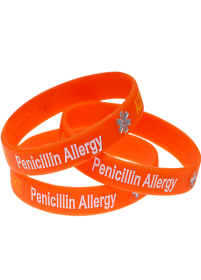
 When a paramedic arrives at a collapsed patient, the difference between confusion and rapid intervention is information. The first 15 seconds answer “what is wrong?” via the wrist — an engraved silicone medical ID bracelet. The next 60 seconds answer “what is the full picture?” via medical records — allergies, medications, surgical implants, comorbidities. Both layers matter. Safety in knowledge means having both visible and accessible.
This 2026 update of our original MedibandPlus post is the longer evidence-based guide to medical-record safety for Australian families. It covers My Health Record, what to engrave on a medical ID, when a database matters, and what every parent of a child with a chronic condition should set up before the next emergency.

Why visible medical ID + accessible medical records both matter
A medical bracelet can carry roughly 4–6 lines of engraved text. That is enough for the critical first information: condition, trigger, treatment, emergency contact. It is not enough for a 17-year medication history, three previous surgeries, an iodine sensitivity, and a pacemaker implant date.
That’s why peak Australian bodies including the RACGP and ASCIA recommend a two-layer approach:
- Layer 1 — Visible medical ID. A laser-engraved silicone bracelet on the wrist, 24/7. Designed to answer the first 15 seconds.
- Layer 2 — Accessible medical records. A digital record that paramedics, ED staff, GPs and specialists can pull on demand.
Layer 1 — What to engrave on a medical ID
The five most important fields, in priority order:
- Condition — ANAPHYLAXIS / DIABETES TYPE 1 / EPILEPSY / HEART CONDITION
- Trigger(s) or specifics — nuts, fish, penicillin, latex; or insulin name; or seizure type
- Treatment — EpiPen 0.3 mg IM, call 000
- Emergency contact — name + mobile number
- Comorbidities or critical “do not” — e.g. asthma, anticoagulant, DNR, hearing impaired
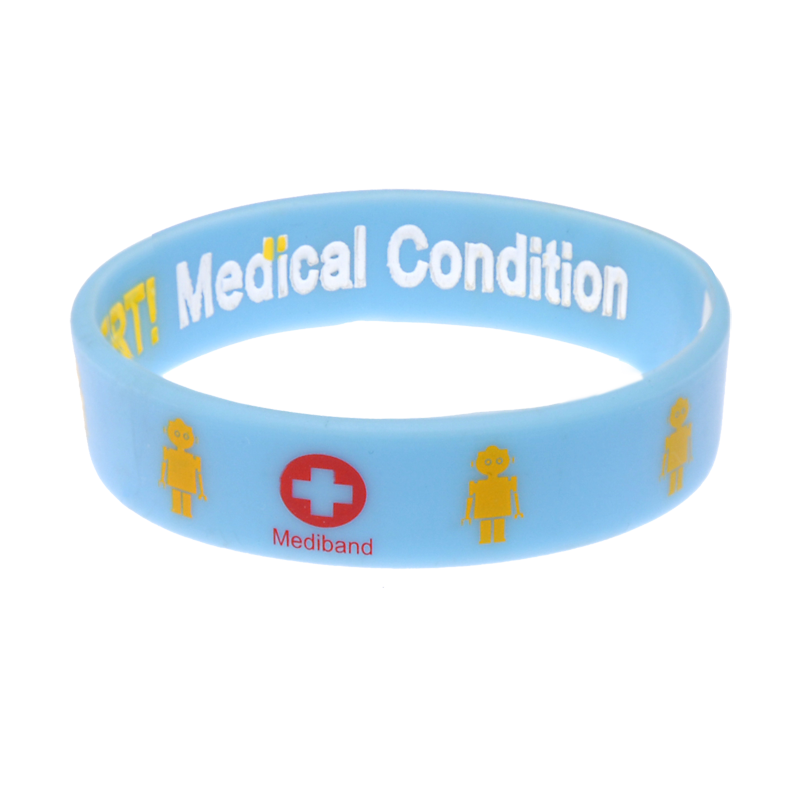
Mediband bracelets are permanently laser-engraved — the text cannot wear off in the shower, after sport, or with years of daily use.
Layer 2 — My Health Record (Australia)
Every Australian has a My Health Record by default since 2019 (you can opt out). My Health Record is Australia’s national digital health record system run by the Australian Digital Health Agency. It stores:
- Medicare-prescribed medications
- Hospital discharge summaries
- Pathology and imaging results
- Immunisation history
- Advance care directives
- Allergies and adverse reactions (when added by your GP)
Access is controlled by you: emergency-access mode (“break glass”) allows ED staff to read your record when you can’t consent. To check or update yours, visit myhealthrecord.gov.au and log in via myGov.
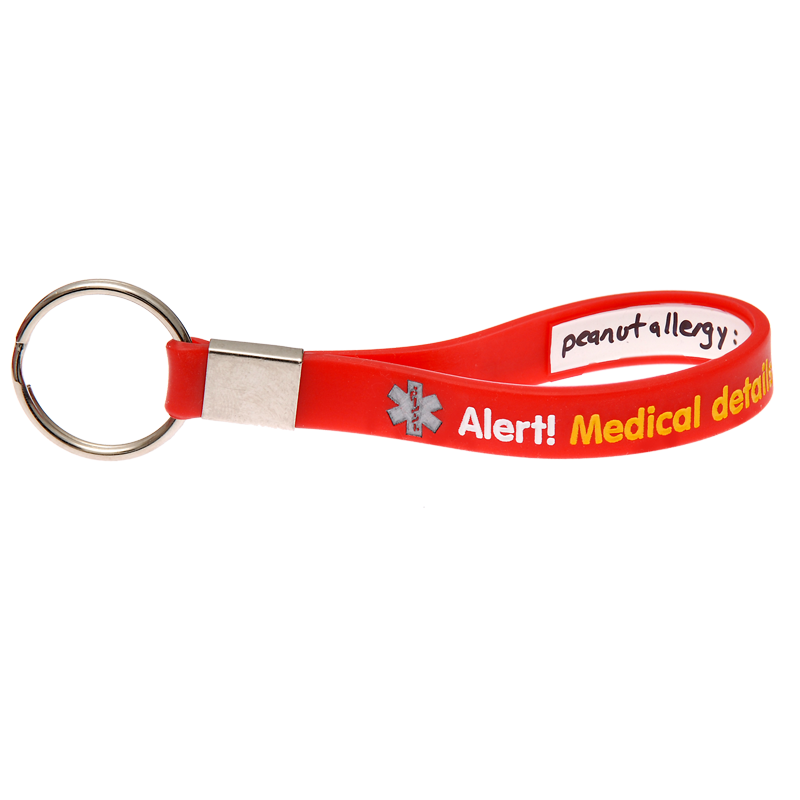
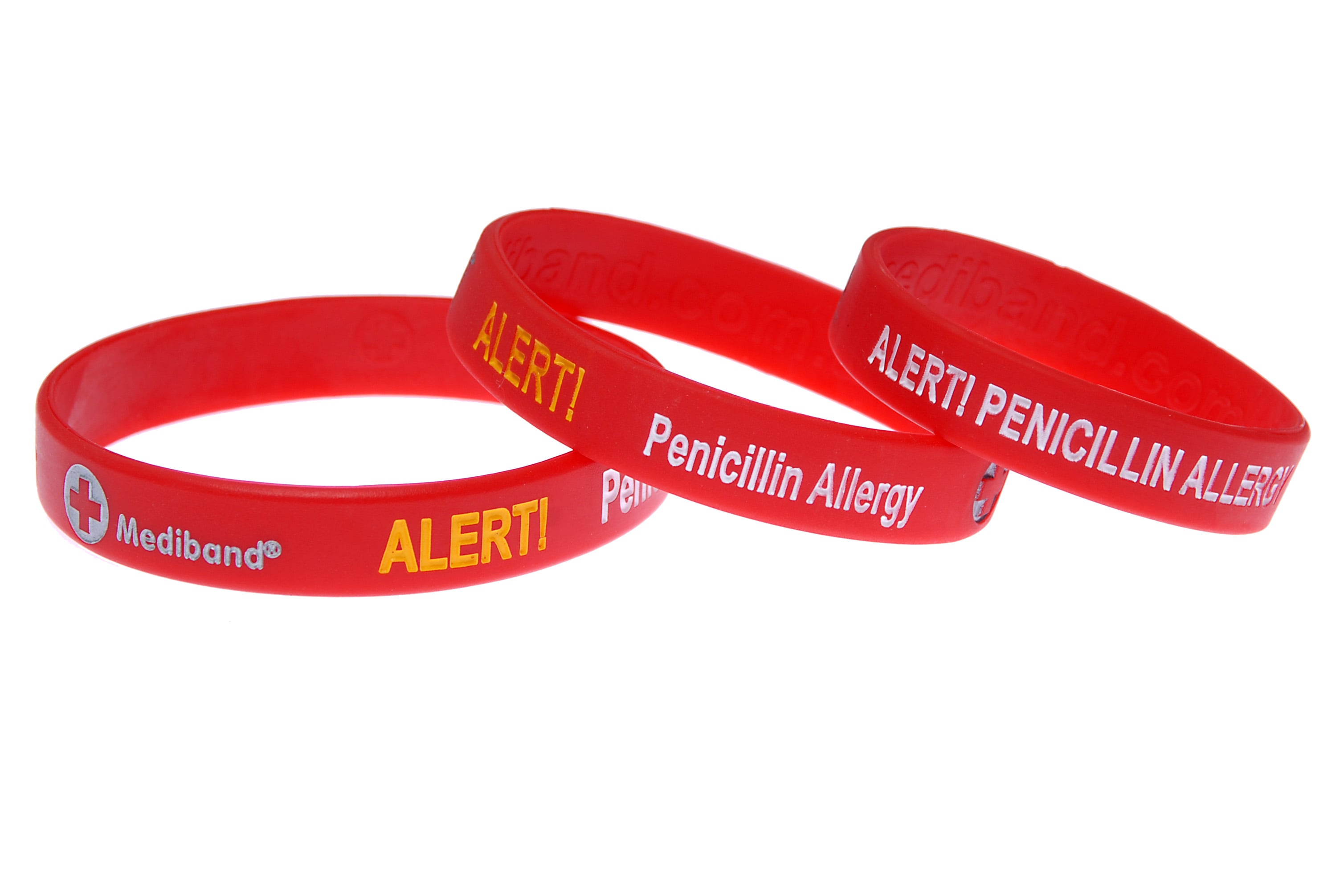
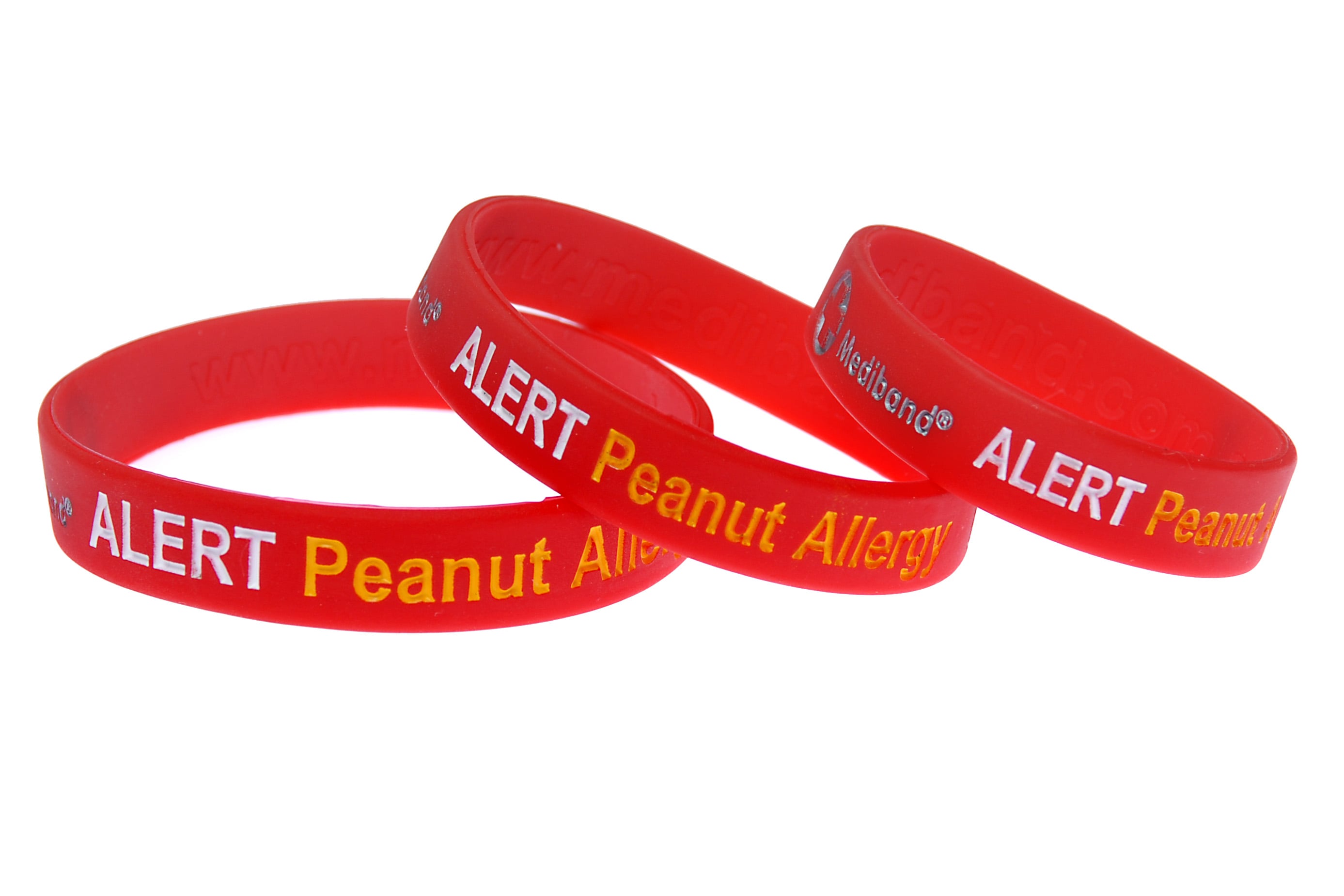
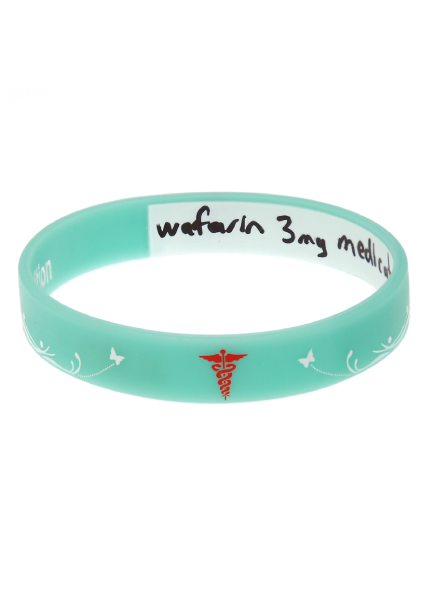
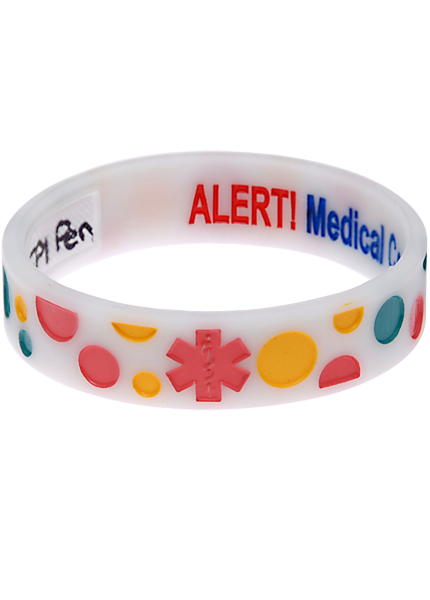
Layer 1 protection — Mediband medical ID
Pair your digital records with a visible medical ID bracelet so first responders can act in the first 15 seconds of any emergency.
How to set up My Health Record properly
Most Australians have a My Health Record but few have set it up usefully. Spend 30 minutes once:
- Log into myGov and link your My Health Record.
- Open the “Personal Health Summary” section.
- Add all known allergies with severity (e.g. ANAPHYLAXIS to peanuts).
- List all current medications, doses, prescribing GP.
- Add advance care directive if you have one.
- Add emergency contacts.
- Set notifications so you’re told whenever a clinician accesses your record.
Special-circumstance records you might also want
My Health Record is the foundation. Some Australians benefit from layering additional records:
- ASCIA Anaphylaxis Action Plan — printed, signed by your immunologist, carried in wallet + at school + at home.
- Asthma Action Plan — from National Asthma Council Australia.
- Diabetes Action Plan — from Diabetes Australia, particularly for school-age children.
- Epilepsy Management Plan — from Epilepsy Foundation.
- Personal record book — an A5 wallet-sized notebook listing surgeries, implants, blood type, and key clinical history.
Wallet card — the often-forgotten layer
A laminated wallet card with the same info as your medical ID + your My Health Record IHI (Individual Healthcare Identifier) costs nothing and adds another fallback. Paramedics check wallets when they cannot find a wrist ID.
For parents of children with chronic conditions
Children require an extra layer: school records. Australian schools follow the NSW Health (and equivalent state) protocol for managing medical conditions. Each enrolled child with a chronic condition needs:
- An action plan signed by their treating clinician.
- Spare medication kept on site (EpiPen, reliever puffer, hypo kit).
- Authorised staff trained to administer.
- Communication plan with parents.
- A visible child medical ID bracelet on the child during school + sport + excursions.
What happens in a real emergency — the chain of information
Imagine a 32-year-old man collapses on a Melbourne tram. What happens in the first 10 minutes?
- 0–15 sec: Bystander shouts for help. Looks for visible ID. Finds Mediband bracelet on wrist: “TYPE 1 DIABETES + insulin + emergency contact.”
- 15–60 sec: Bystander calls 000. Reads bracelet contents to dispatcher.
- 60–120 sec: Dispatcher pre-alerts paramedics. They know to expect a hypoglycaemic episode.
- 3–6 min: Paramedics arrive. Confirm blood glucose. Administer IV dextrose.
- 6–15 min: En route to ED. Paramedic relays bracelet info + accesses My Health Record via “break glass” mode for full medication history.
- ED: Triage already has condition, medication list, allergies. Treatment continues without delay.
Each layer adds resilience. If any one fails — bracelet lost, phone dead, no Internet — the others carry the load.
Privacy and access control
A common concern with digital records is privacy. My Health Record gives you control:
- You can hide specific documents from view (e.g. mental-health records).
- You can restrict access to nominated healthcare providers only.
- You can require an Emergency Access Code for clinicians to read.
- You receive notifications on every clinician access.
- You can opt out entirely.
The Australian Digital Health Agency’s privacy framework is built around your consent. Information stored on a Mediband bracelet is, of course, only what you choose to engrave.
Common mistakes to avoid
- Outdated medical ID. If your condition list or medications have changed, replace the bracelet. An engraved “sulfa allergy” from 2014 may be obsolete or, worse, no longer your only allergy.
- Emergency contact is also unconscious. Family members at the same incident (car accident, food poisoning) can both be incapacitated. Add a second contact — a workmate, neighbour, GP’s clinic.
- No mention of comorbidities. “Anaphylaxis” alone is incomplete if you also have asthma + a heart condition. Add comorbidities.
- Bracelet hidden under sleeves. Worn high on the wrist where a paramedic checks pulse is correct — not hidden under bracelets or watches.
- Children outgrowing bracelets. Re-size and re-engrave every 2 years for kids 5–15.
The financial case for redundancy
A Mediband silicone bracelet costs under $10. A wallet card costs $0. My Health Record costs $0. Total investment: less than a Friday-night takeaway, set up once, lasting years. The downside of not having them in a true emergency is too large to rationalise away.
What about Mediband Plus?
The original 2012 article referenced Mediband Plus — a sister-brand database product offering an online medical-record store paired with a numbered bracelet. The Plus database continues to operate for legacy members. For new users, the Australian government’s My Health Record system is now the recommended primary digital record — free, universal, and integrated with all public hospitals.
If you are an existing Mediband Plus member, log in occasionally to refresh your details. If you are not, set up My Health Record via myGov instead.
Frequently asked questions
Do I need both a medical ID bracelet and a digital health record?
Yes. The bracelet answers the first 15 seconds of an emergency (what condition? what trigger? who to call?). The digital record answers the next 60 seconds and beyond (full medication history, comorbidities, advance care directive). Both layers are recommended by Australian peak bodies.
Do I automatically have a My Health Record?
Yes, since 2019, unless you opted out. Log in via myGov to check and update yours. It stores Medicare-prescribed medications, hospital discharge summaries, pathology, imaging, immunisations and any allergies your GP has recorded.
What should be engraved on the medical ID?
Condition (e.g. ANAPHYLAXIS / DIABETES TYPE 1), trigger or specifics, treatment (e.g. EpiPen 0.3mg IM), emergency contact phone, and critical comorbidities or DNR/anticoagulant warnings.
Can paramedics access My Health Record in an emergency?
Yes. The system has an emergency-access (“break glass”) mode that allows authorised clinicians to read your record when you cannot give consent. Every access is logged and you are notified.
How often should I update my medical ID?
Whenever your condition list, medications or emergency contact changes. For children, re-size every 2 years. For adults with stable conditions, a refresh every 3-5 years is typical.
Is My Health Record private?
Yes — built around your consent. You can hide specific documents, restrict access to nominated providers, require an Emergency Access Code, and receive notifications on every clinician view. You can also opt out entirely.
What if my child is too young to keep a bracelet on?
Mediband’s silicone bands are designed to be hard for children to remove. Pair with school records: action plan signed by clinician, spare medication on site, authorised staff trained, communication plan with parents.
References
- My Health Record (Australian Digital Health Agency) myhealthrecord.gov.au
- myGov — access portal my.gov.au
- RACGP racgp.org.au
- ASCIA Anaphylaxis Action Plan allergy.org.au
- National Asthma Council Australia nationalasthma.org.au
- Diabetes Australia diabetesaustralia.com.au
- Epilepsy Foundation epilepsy.org.au
- NSW Health — school-based medical management health.nsw.gov.au

Written by
Founder, Mediband
Founder of Mediband; over 20 years providing medical IDs worldwide.
← Previous
CPR Face Shield Keyring: Compact Protection for Life-Threatening Situations
Next →
Top Reasons to Wear a Medical Bracelet Penicillin Allergy
Comment(s)