By Michael Randall, Founder, Mediband · Updated 11 June 2026 · 9 min read
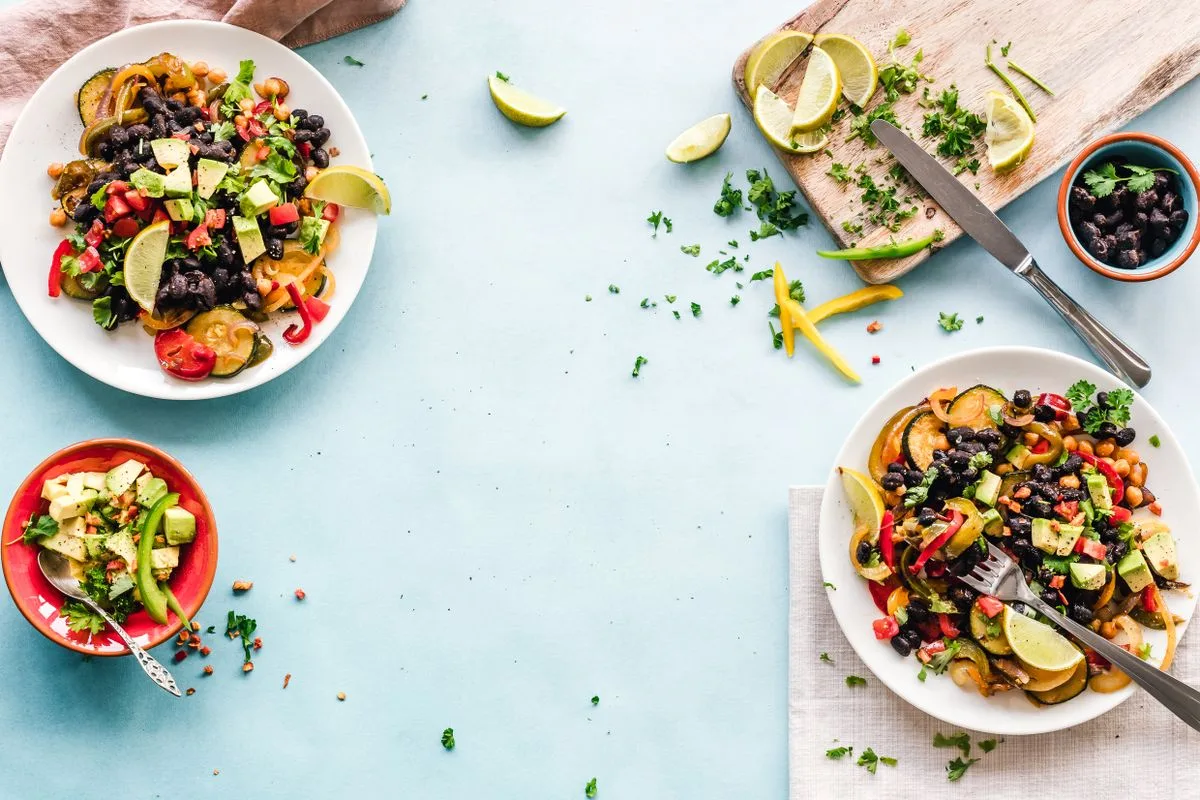
Healthy eating facts get confusing fast — fad diets, marketing claims and ever-changing food labels make every supermarket visit a minefield. The seven nutrition rules below come directly from Dietitians Australia, the Heart Foundation and the RACGP's 2024-2026 evidence reviews. No fads, no marketing.
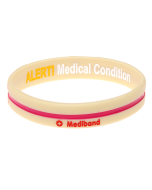
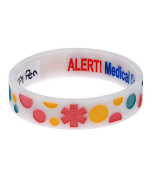
For families managing food allergies, coeliac disease or specific dietary medical conditions, the bracelet on your wrist matters as much as the food on your plate. A write-on medical ID tells waitstaff and first responders the critical allergen in seconds.
Why "healthy eating" needs evidence, not Instagram
The Australian Dietary Guidelines are reviewed every 5-10 years by the National Health and Medical Research Council (NHMRC). The current edition is built on 55,000+ peer-reviewed studies. Whatever your favourite influencer recommends, the NHMRC rules below are the ones backed by science.
Most healthy-eating advice boils down to seven anchors. Master these and 90% of nutrition questions answer themselves — what to eat, what to skip, how to read a label, when to call the GP.
7 healthy eating facts every Australian family should know
1. Five serves of veg, two of fruit — every day
The Australian Dietary Guidelines call for 5 vegetable serves + 2 fruit serves daily for adults. Only 6.5% of Australians actually hit this target (AIHW 2023). One serve = 1/2 cup cooked veg, 1 cup salad or one medium piece of fruit.
2. Whole grains over refined
Brown rice, wholemeal bread, oats and quinoa lower the risk of Type 2 diabetes and heart disease versus white refined alternatives. Two-thirds of grain servings should be wholegrain per Heart Foundation guidance.
3. Protein at every meal
1.2 g per kg body weight for active adults — 60-90 g for most adults daily. Spread across three meals (not one big steak at dinner). Lean meat, eggs, dairy, legumes, fish, tofu and nuts all count.
4. Less than 5 g of salt per day
5 g of salt = 2 g of sodium = roughly one teaspoon. The average Australian eats 9 g — almost double. Most comes from processed foods, not the salt shaker. Check labels: under 120 mg sodium per 100 g is "low salt".
5. Eat fish twice a week
The Heart Foundation recommends 2-3 serves of oily fish (salmon, mackerel, sardines) per week for omega-3 intake. Plant alternatives: walnuts, chia, flax. Pregnant women: limit large predatory fish (shark, swordfish) to once per fortnight.
6. Hydrate before caffeine or juice
Adults: 2-2.6 L of fluid daily. Kids: 1.2-1.6 L. Water is the gold standard. The 600 mL daily soft drink most Australians don't notice equals 13 kg of sugar a year — that's the silent obesity driver.
7. Watch the front-of-pack health star rating
The Australian Health Star Rating system rates packaged food 0.5 to 5 stars. Aim for 4+ for staples. Marketing claims like "natural", "premium" or "wholegrain" don't change the rating — only the actual nutrition profile does.
Recommended for you
Products related to this article
Hand-picked to go with what you just read.
Building a healthy-eating week without overhaul
Sunday: Plan the meals
15 minutes mapping seven dinners. Reuse five breakfast and three lunch templates. Decision fatigue kills healthy eating; templates protect it.
Monday: One veg-forward meal
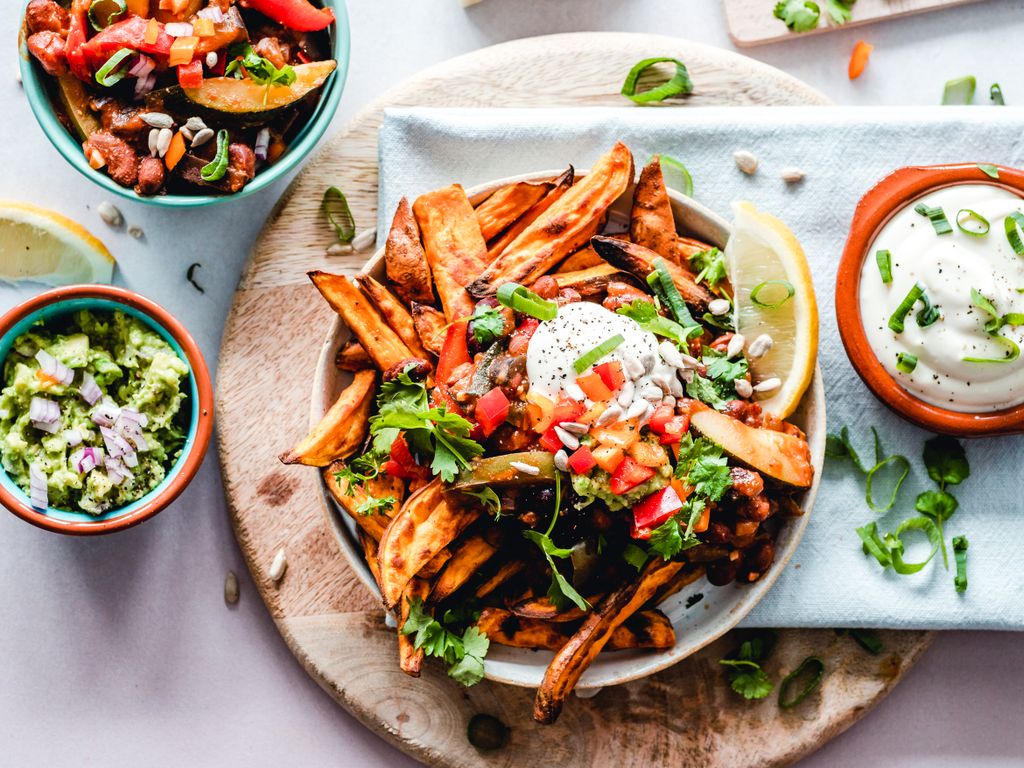
Stir-fry, salad bowl, soup. Don't overthink — five colours on the plate is the goal.
Wednesday: Oily fish night
Tinned salmon, sardines or mackerel are cheaper, equally healthy and last a year in the pantry. One serve = 100 g.
Saturday: Family cook-along
Kids who help prepare food eat 26% more vegetables (Stanford 2019). Even age 5 can wash, peel, stir or set the table.
Daily: Hydration alarm + sunscreen alarm
One full glass of water before any other drink. Pairs naturally with the morning sun-safety habit.
When food allergies meet medical IDs
If anyone in the family has a diagnosed food allergy, the medical-ID bracelet should list:
- Allergen — "Anaphylaxis: peanuts", "Anaphylaxis: dairy", "Coeliac: gluten"
- Severity — "EpiPen prescribed" or "Carry adrenaline"
- Emergency contact — Parent mobile + GP if relevant
Reversible write-on bracelets work for kids and adults. Permanent SS engraved dog tags for those who prefer minimal upkeep. Both survive the kitchen, the gym and the holiday handbag.
Partnering with Australian nutrition authorities
- Dietitians Australia — find an Accredited Practising Dietitian by postcode
- Heart Foundation — free 30-day heart-healthy meal plan
- Diabetes Australia — low-GI meal templates + diabetes prevention guides
- Coeliac Australia — gluten-free shopping lists + medical-ID guidance
- Allergy & Anaphylaxis Australia — food-allergy action plans
- NHMRC — Australian Dietary Guidelines (the source-of-truth document)
Simple food, evidence-based, repeatable
Healthy eating isn't a project — it's a small set of repeated habits. Five veg, two fruit, lean protein, two fish nights, low salt. Add a medical alert bracelet if food allergies are part of the family picture. Every meal becomes both healthier and safer.
Frequently Asked Questions
Quick answers from the Mediband team
How many serves of fruit and vegetables should Australians eat daily?
The Australian Dietary Guidelines recommend 5 serves of vegetables and 2 serves of fruit daily for adults. Only 6.5% of Australians actually meet this target according to AIHW data.
Are oats healthier than wholemeal bread?
Both are wholegrain and beneficial. Oats are higher in beta-glucan (a soluble fibre that lowers cholesterol). Two-thirds of grain serves should be wholegrain per Heart Foundation guidance, regardless of which one you choose.
Is the Health Star Rating system on packaged food trustworthy?
Yes — the system is government-backed and based on actual nutrition profiles, not marketing claims. Aim for 4+ stars on staples. Ignore words like 'natural', 'premium' or 'wholegrain' — they don't affect the rating.
How much salt is too much per day?
Adults: less than 5 g (2 g sodium) daily. The average Australian eats 9 g — almost double. Most comes from processed foods, not the salt shaker. Check labels: under 120 mg sodium per 100 g is low-salt.
What should I write on a medical ID for a food allergy?
Allergen + severity + emergency contact. Examples: 'Anaphylaxis: peanuts — EpiPen', 'Coeliac: gluten', 'Severe dairy allergy'. Reversible write-on bracelets allow updates if the diagnosis changes.
How much water do Australian adults actually need?
Women: 2.1 L of fluid daily. Men: 2.6 L. Kids: 1.2-1.6 L. Water is the gold standard. Tea, coffee and food contribute too — fruit and vegetables alone provide ~20% of daily fluid.
Are there safe high-protein diets for kids?
Yes — kids need protein at every meal too (around 1 g per kg body weight). Sources: eggs, dairy, lean meat, fish, legumes, nuts (age-appropriate). Avoid restrictive adult-style diets without a paediatric dietitian's guidance.

Written by
Founder, Mediband
Founder of Mediband; over 20 years providing medical IDs worldwide.
← Previous
Skin Cancer Prevention: 7 Australian Sun-Safety Habits
Next →
Australian Health News Roundup: 7 Updates for 2026
Comment(s)